"I already know what I like."
"I have everything I need on Pinterest."
"It's just about choosing some furniture."
"I don't need to pay someone to decorate my home."
These are some of the most common things we hear when someone is weighing up whether to hire an interior designer. And in many cases, they're right.
Not everyone needs to hire an interior designer. Some people have free time, enjoy the process, and feel comfortable managing everything and making every decision on their own.
The problem arises when personal taste gets confused with a complete interior design project. Because taste is the last layer of a process. Before that, there's invisible work, carried out with method, technique and structural decisions.
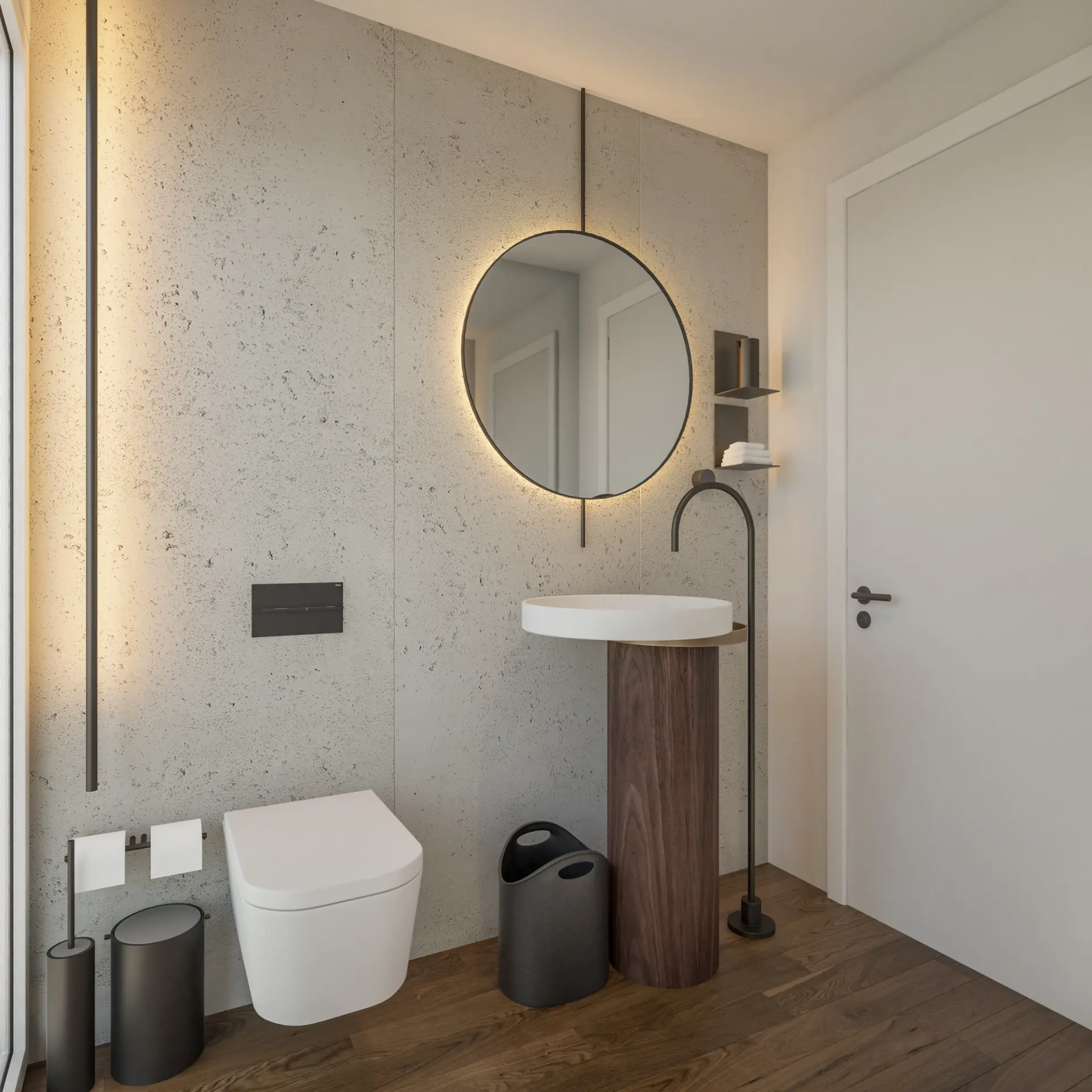
Bathroom in an interior design project by Atelier Renata Santos Machado, where lighting, materials and finishes are considered together to create a cohesive result.
"I Already Know What I Like"
This is probably the most common argument.
The good news is that knowing what you like is already half the battle. The problem is that liking an image doesn't mean you can reproduce it in a real space.
A photograph doesn't solve issues of circulation, lighting, proportions, storage or material compatibility. It doesn't account for what happens when a room has less natural light, when the ceilings are lower, or when the dimensions don't match the reference you found online.
Knowing what you like matters. Turning that into a coherent, balanced space is an entirely different stage.
"I Have Everything I Need on Pinterest"
Pinterest is a great platform for gathering references. But it also creates a dangerous illusion: that a home can be built from a collection of standalone images.
In reality, most homes published online had a complex process behind them. Materials, lighting, furniture, architecture and decoration were all developed to work together.
When you try to reproduce references from different contexts, the result is rarely as simple as it looks on screen.
The challenge isn't finding inspiration. It's turning it into a coherent solution for a specific space, one that responds to the needs of the people who actually live there.
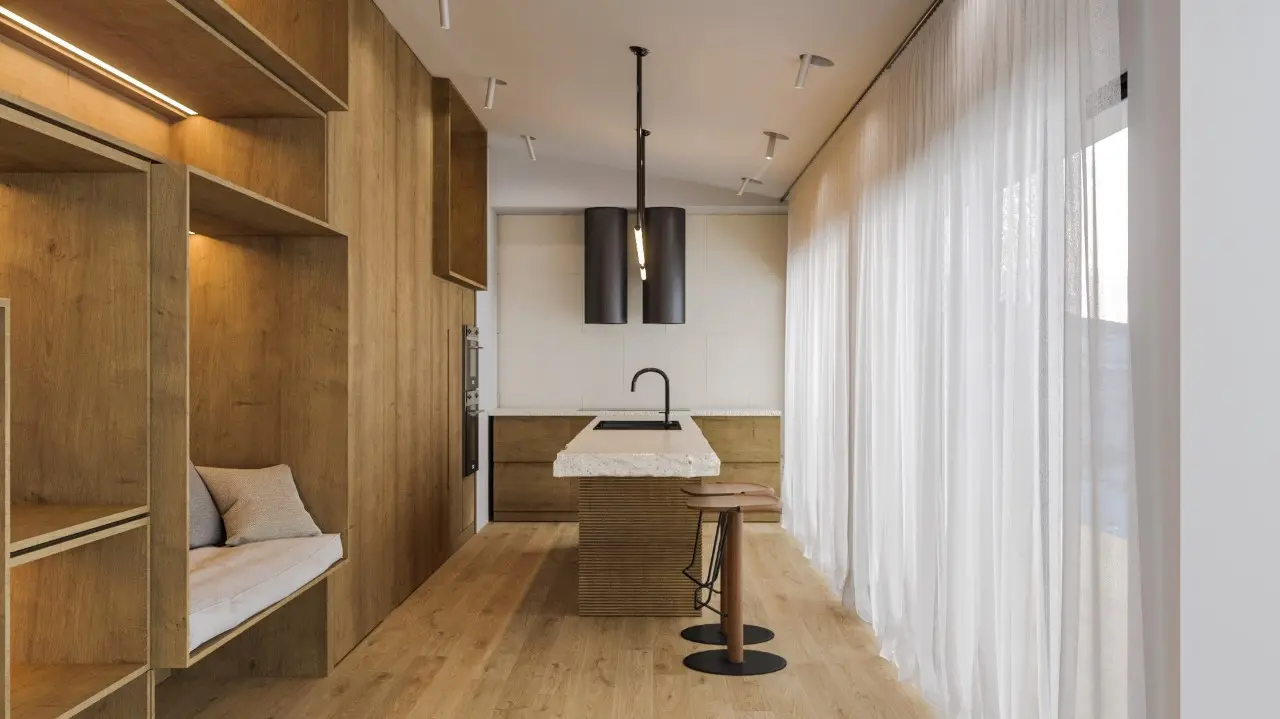
Kitchen in an interior design project by Atelier Renata Santos Machado, combining custom joinery, lighting and natural materials in a functional, cohesive space.
"I Like Doing This Myself"
In that case, you may genuinely not need an interior designer.
Some people genuinely enjoy visiting showrooms, comparing materials, requesting quotes and following every decision in the project. For them, this process is part of the pleasure of creating a home.
But do you also enjoy managing suppliers, orders, delays, manufacturing errors and last-minute changes?
Because that's the part of the project that rarely shows up in photographs. Are you available to receive a delivery on a Saturday, or return a missed call at dinnertime, when you're with your family? And above all, do you have the time for all of this?
"It's Just About Choosing Furniture"
If it were just about choosing furniture, many projects wouldn't take months. An interior design project at Atelier Renata Santos Machado can run anywhere from 2 to 24 months.
Carrying out an interior design project, whether interiors or decoration, involves dozens of decisions the client rarely sees: layouts, lighting, materials, matching finishes, supplier coordination and overseeing execution.
And then there are the unforeseen issues. Materials delivered in the wrong reference. Pieces damaged in transit. Suppliers missing deadlines. Solutions that worked on paper but need adjusting on site.
The unexpected always happens. The difference lies in who's responsible for resolving it.
"I've Already Decided Everything"
If you already know exactly what you want, a full project may not be necessary. But there's a difference between having a clear idea and being able to execute it without deviations.
What looks simple on a floor plan or in a photograph often becomes more complex once it meets the reality of construction, suppliers and deadlines.
This is precisely the stage where experience makes the difference.
So, When Don't You Need an Interior Designer?
You probably don't need an interior designer when the project is simple, you genuinely enjoy the process, you have the time to see it through, and you feel comfortable taking on every decision and responsibility.
But if you're looking to reduce mistakes, avoid wear and tear, and delegate the management of hundreds of small decisions, the question stops being about aesthetics. It becomes a question of time, peace of mind, and even the money saved by avoiding costly errors.
At Atelier Renata Santos Machado, many clients arrive already knowing what they like and what they want. But they come to us because they already have a demanding professional life, a family, responsibilities, and little time available to turn a complex project into a second job.
This is exactly where a structured interior design project makes the difference.
Frequently Asked Questions
When don't I need an interior designer?
When you enjoy the process, have the time available, and feel comfortable managing suppliers and unforeseen issues on your own, you probably don't need one.
What does an interior designer solve that I can't?
Invisible technical decisions — proportion, circulation, material compatibility — and managing everything that goes wrong. It also saves time, an increasingly precious and scarce resource.
Is a consultation worth it before deciding?
Yes. An interior design consultation helps you understand whether you just need occasional guidance or full support, without committing straight away to a full project.
Are Pinterest and online references enough to renovate and decorate a home?
They're useful for gathering inspiration, but they rarely address how those references translate into your specific space: light, proportions, ceiling height, dimensions.