There is one question that almost always comes up before hiring an interior designer in Lisbon: is it really worth it?
It’s a fair question, especially for anyone who has bought pieces that didn’t work together, stalled on decisions without knowing where to start, or tried to coordinate construction, suppliers, and timelines without the time or experience to do it properly.
That’s usually when the question changes. It stops being “is it worth it?” and becomes something else: what does it cost to do it without help and then fix it afterward?
At Atelier Renata Santos Machado, this is one of the most common conversations at the start of a project. Because hiring an interior designer is not just an aesthetic decision. It’s a decision about method, control, and how the entire process will be experienced.
This guide covers the essentials: when it makes sense to move forward, what’s included, how pricing works, what to look for when choosing, and where to start to avoid mistakes that are difficult to correct later.
Why hire an interior designer in Lisbon
Most people don’t decide to hire an interior designer because they want a more beautiful home. They decide because they want to avoid everything that comes with the process. That is what turnkey interior design in Portugal is for: one team accountable for the whole process, from concept to delivery.
No one wants to spend weekends comparing furniture online without knowing if the pieces will work together. Or lose hours speaking with suppliers to understand why a deadline wasn’t met. Or reach the end of a renovation and realize that some choices, which seemed small at the time, have compromised the final result.
In practice, this is what happens without a structured project. Decisions are made as problems arise. Pieces are purchased before a concept exists. And the cost is not just financial. It is time, stress, and corrections that could have been avoided.
Working with an interior designer means having someone who structures the process from the beginning: filtering options, anticipating incompatibilities, and ensuring that every decision makes sense within the overall project. The client still makes the decisions. They just stop having to solve every problem alone.
The difference is most evident in projects involving construction or full renovation. Without a structured plan, decisions are made under pressure, on-site, in response to issues as they arise. With a designer, those decisions are made in advance, with full information and no urgency.
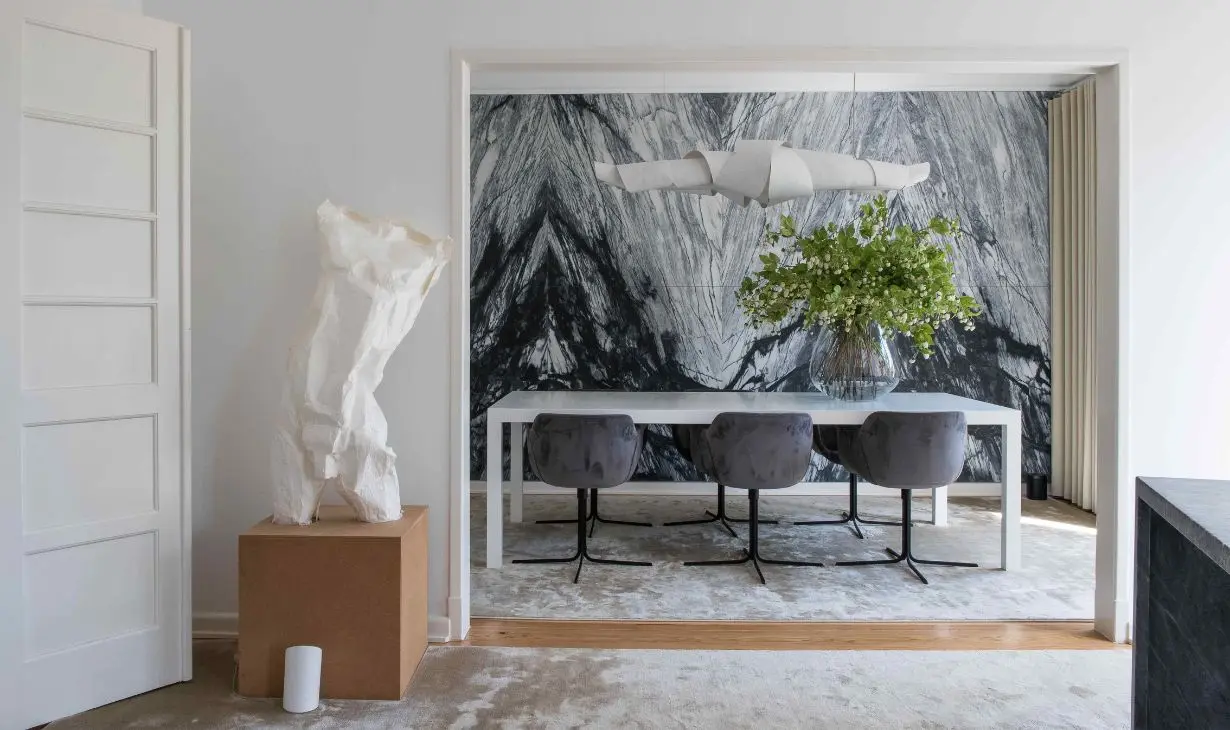
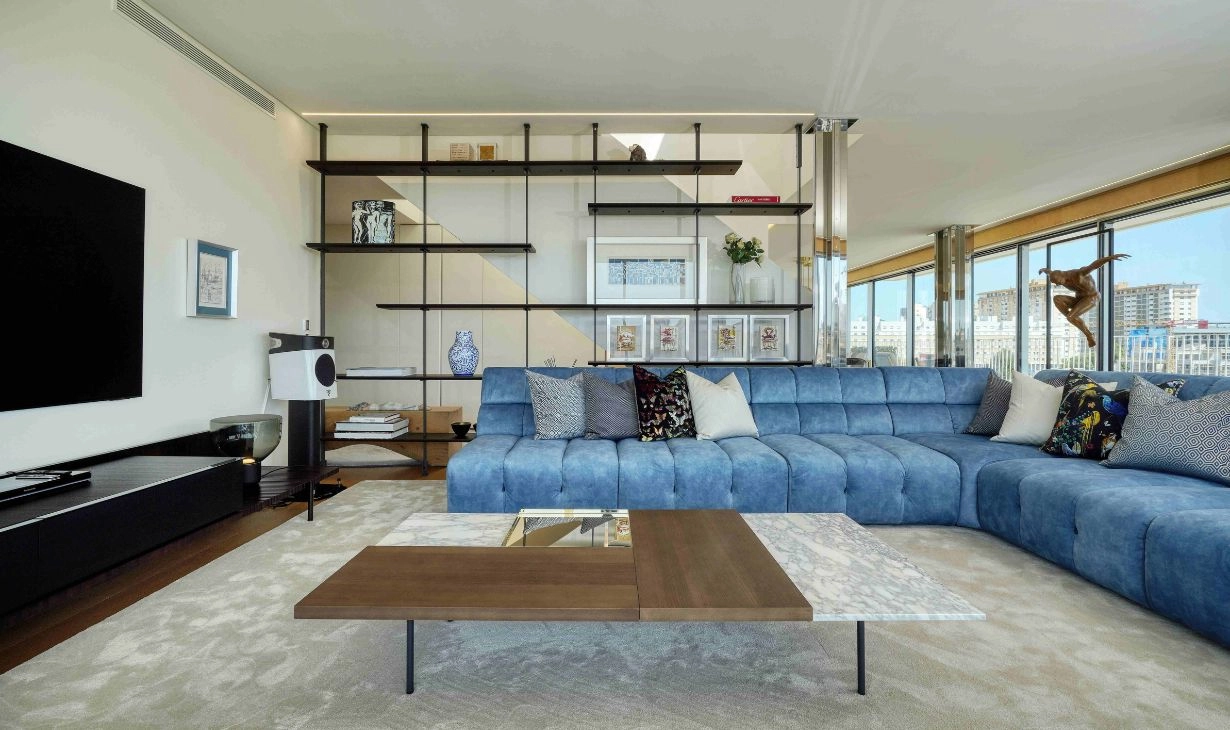
Dining room interior design in Lisbon by Atelier Renata Santos Machado, where natural stone, lighting and proportions are integrated into a refined contemporary composition.
What an interior design project includes
Not all projects are the same and understanding this before starting helps avoid misaligned expectations and poor decisions from the outset.
In some cases, the home already functions well. The layout is resolved, the base lighting is adequate, and there are no structural issues. In these situations, the work focuses on the final layer: selecting furniture, decorative lighting, textiles, and creating a cohesive atmosphere. This is a decoration project.
In other cases, the issue lies at the core. The home doesn’t flow, storage is insufficient, or the lighting is inadequate. Here, decorating is not enough. The space needs to be rethought: reorganizing the layout, resolving circulation, designing technical lighting, and coordinating specialist trades. This is an interior design project.
When both dimensions are planned together from the beginning, the result changes significantly. The layout anticipates the furniture. The lighting already considers the final atmosphere. Decisions are no longer isolated. They become part of a coherent whole.
At Atelier Renata Santos Machado, every project is structured this way. Even when execution is phased, planning is approached as a whole, to avoid inconsistencies, substitutions, and unnecessary costs throughout the process.
For a detailed breakdown of every phase in a full-service project, from briefing to final handover, the article on turnkey interior design in Portugal covers the process step by step.
How interior design pricing works in Lisbon
The cost of an interior design project in Lisbon is not fixed. It depends on the scope, the size of the space, and the service model. There are five common fee structures: per square meter, per room (in partial projects), a fixed fee per project, a percentage of the total investment (typically between 5% and 10%), or a hybrid model that combines different criteria.
Beyond the pricing structure, the factor that most influences the final cost is the level of involvement. Some professionals develop only the creative concept, while others take on the full process, from briefing to final delivery, including construction coordination and supplier management.
How to choose the right interior designer in Lisbon
The interior design market in Lisbon is not uniform. The same title can describe an atelier with 24 years of residential projects, an independent decorator focused on styling, a renovation company with an in-house design team, or an online platform offering remote consultation. What each offers, and what they don’t, varies significantly.
Before opening a portfolio, it helps to answer three questions: does the project involve construction? How much do you want to delegate? Is the goal to live in the space, sell it, or rent it?
These answers help define the right structure for the project and avoid wasting time on options that are not suited to the brief from the start.
When looking to hire an interior designer in Lisbon, the questions that matter most are: does this professional have experience with projects of similar scope and complexity? Is there a clear, documented process from briefing to delivery? Can they manage the project independently, including in your absence?
The Lisbon market has strong design talent but inconsistent structure and process. The real differentiator is management capacity, close project oversight, cost control, and aesthetic consistency. If the project involves meaningful investment, avoid loosely defined hybrid solutions. Choose a structure with a clear process, a team, and defined contractual responsibility.
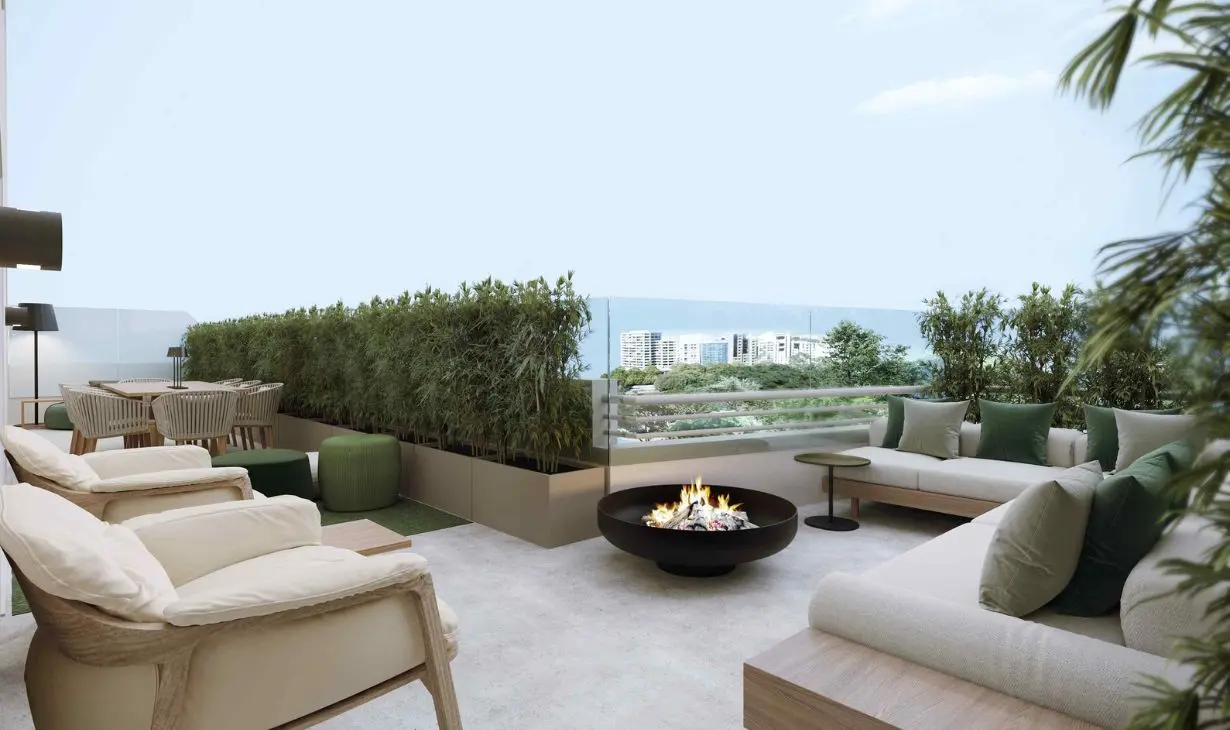
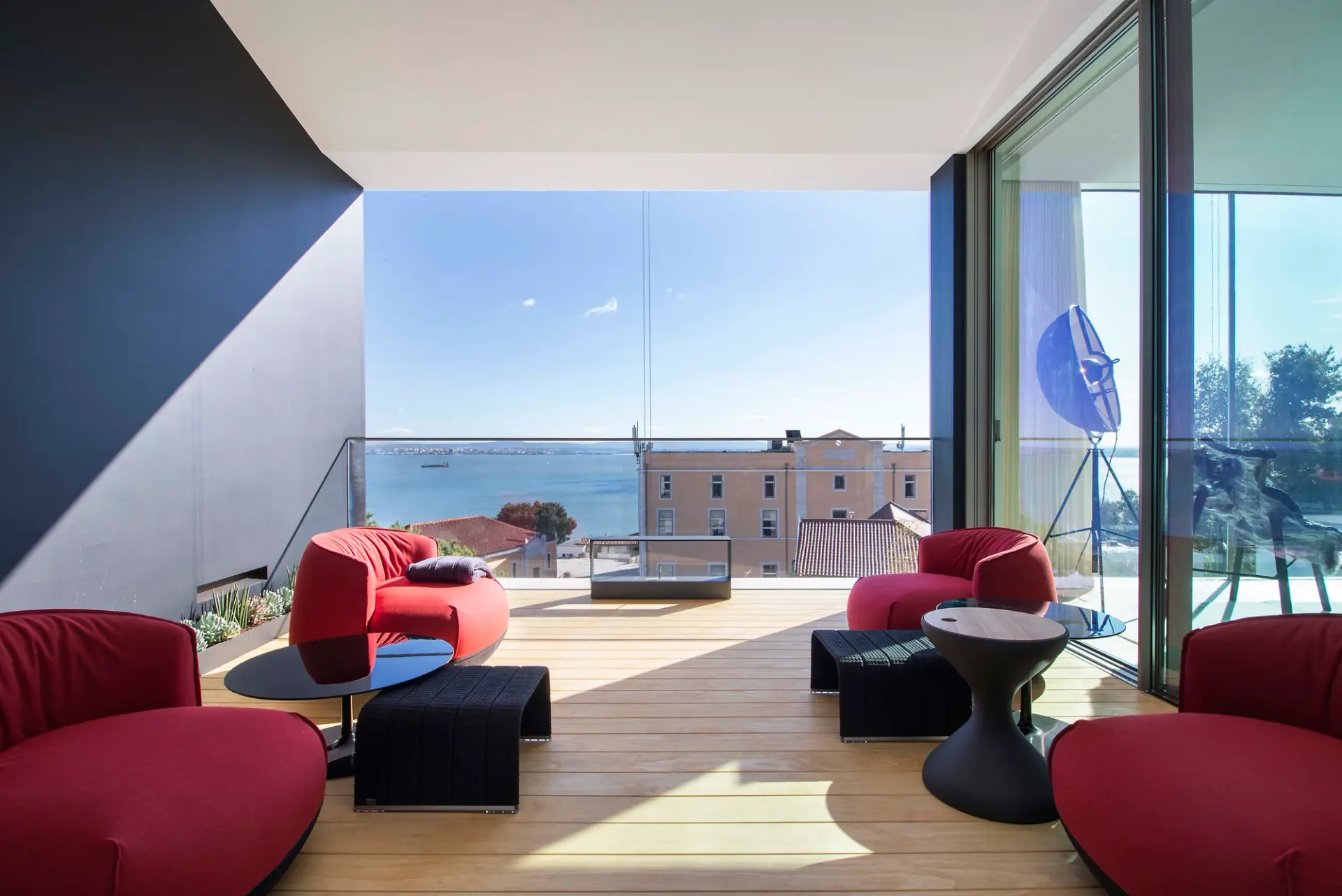
Designed as an extension of the interior, this Lisbon terrace by Atelier Renata Santos Machado combines outdoor comfort, layered textures and open views into a calm residential retreat.
Renovation and full-service projects
In a renovation, the most common mistake is not the choice of materials. It’s the moment the designer enters the process.
When construction begins without a defined project, decisions start being made in response to what arises on-site. A light point that wasn’t planned, an improvised solution to save time, an adjustment that seems minor but compromises the overall result. In the moment, everything appears resolved. But these small decisions accumulate and the final result drifts away from what was originally intended.
Designing before executing changes the process entirely. Layout, lighting, materials, and details are planned together before any work begins on-site. Problems are no longer solved during construction, they are prevented in advance.
In a full-service project, this logic extends to execution. The client stays involved in what matters, with clear and structured information, while the atelier manages on-site coordination, team oversight, and the coherence of the final result. This model — concept, project, execution, and final delivery under one process — is what makes the difference between a predictable outcome and a stressful one.
How to start: the right order of decisions
Buying a property creates immediate pressure to act. The instinct is to start with purchases: a sofa that looks right, a table on sale, a few objects to bring the space to life. The problem is that pieces chosen before the concept, layout, and lighting are defined rarely work as a cohesive whole. And correcting this later almost always costs more than doing it properly from the start.
The order that works is different: briefing, layout, and concept come before any purchase. Only then do furniture and decoration choices have a solid foundation.
Before the first meeting with a designer, it helps to prepare: the floor plan of the property, photographs of the current state, visual references for each room, a list of functional needs, an indicative budget, and preferred timelines. The more clearly these are defined from the beginning, the more efficient the process becomes.
For those who have just purchased a property, the priority is to resist the urge to buy anything before the concept is in place. The most common mistake is choosing pieces that seem right in isolation, only to discover they don’t work in the space or with each other.
Increasing property value before selling
A less obvious, but increasingly common, decision is to hire an interior designer to prepare it for sale. The logic is straightforward: a home with unresolved issues signals work and cost to the buyer. Every issue becomes a negotiation starting from a position of disadvantage.
Not all interventions deliver proportional return. Some improve presentation only. Others have a measurable impact on the final sale price. The goal is to understand where an investment adds visible value and where it simply creates cost without return.
Interventions that consistently add value include: resolving layout issues, improving lighting, updating kitchens and bathrooms with quality materials, and ensuring the space feels complete and cohesive. Interventions that rarely justify their cost include: high-end decorative additions, highly personalized choices that appeal to a narrow taste, and any work that suggests the property is ready to be redone by the buyer.
The principle is always the same: buyers pay more for a home that feels resolved, not one that simply feels decorated.
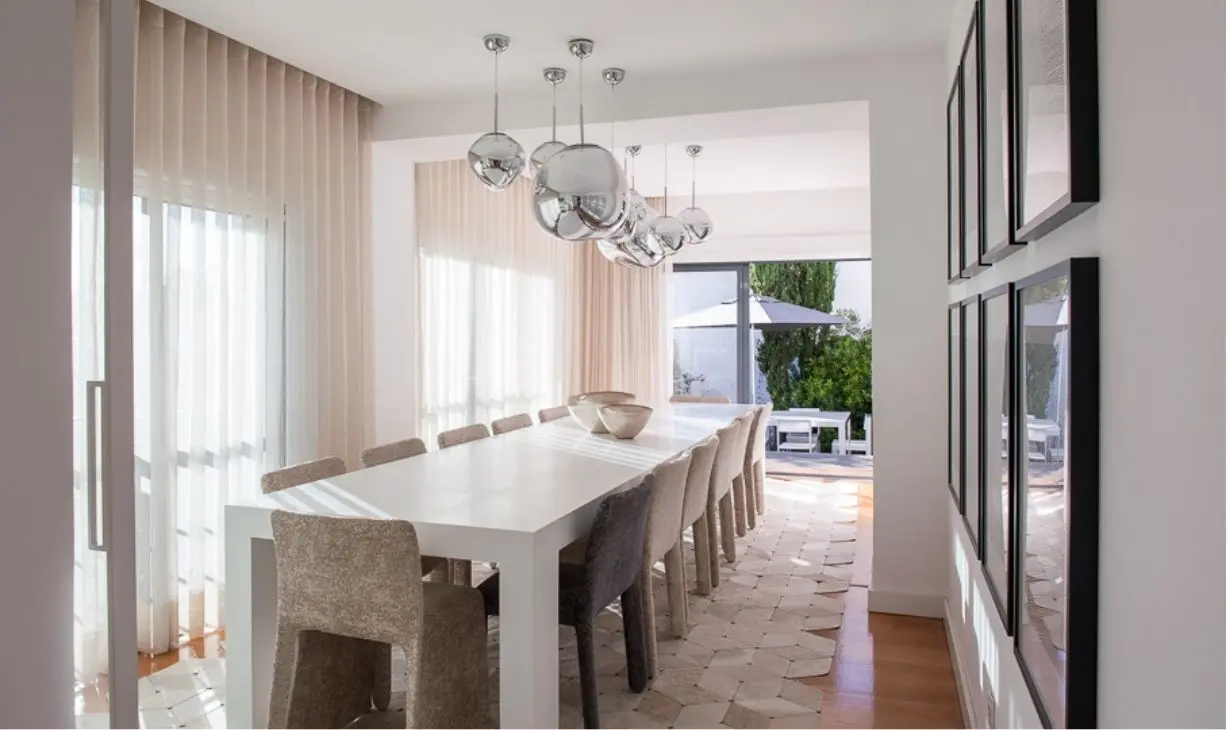
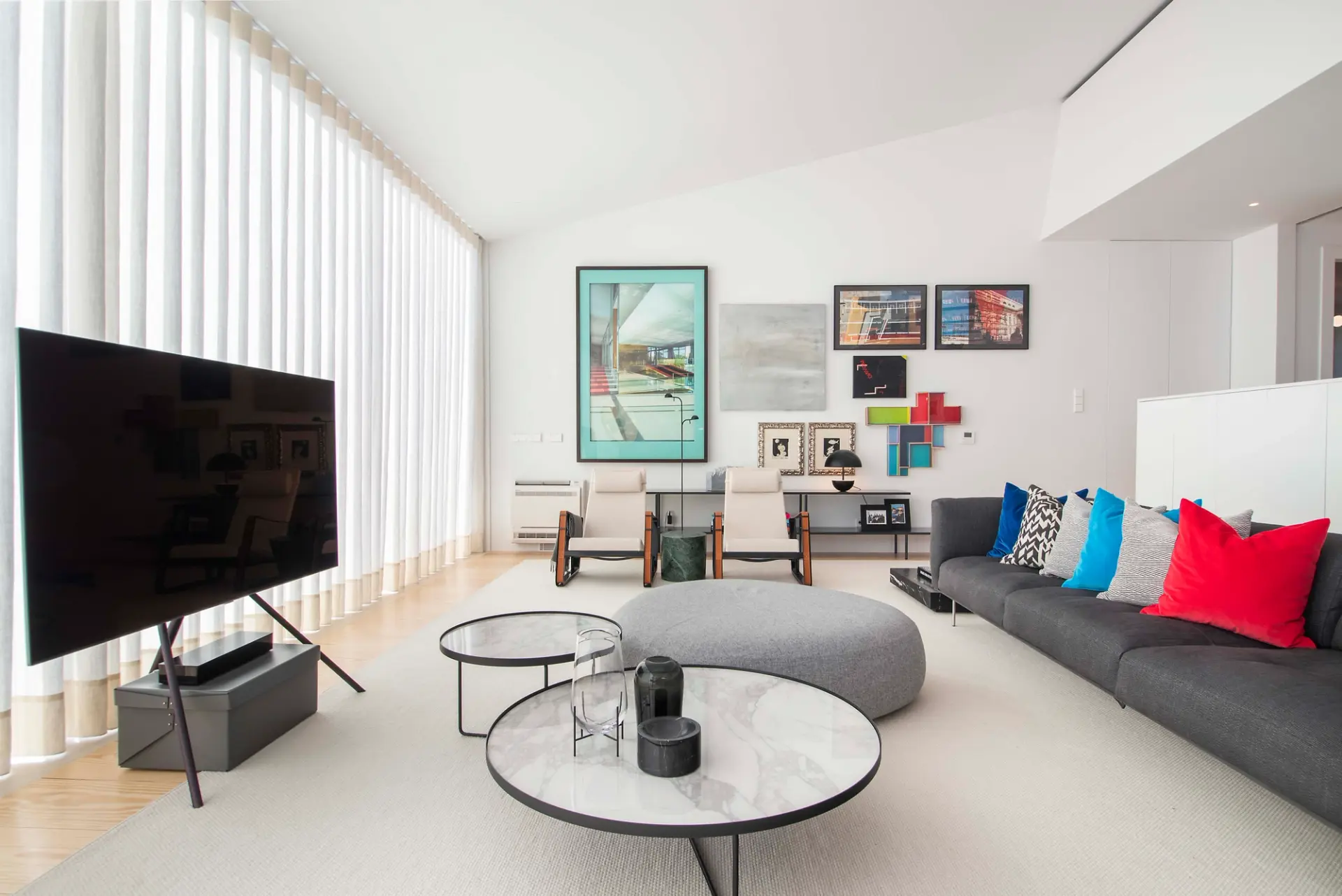
Natural light, soft textures and sculptural lighting shape this contemporary dining room designed by Atelier Renata Santos Machado in Lisbon.
Interior design in Lisbon, Cascais, and beyond
Atelier Renata Santos Machado works across Portugal, but working outside Lisbon is not simply moving the service. It means adapting the reading to the specific context of each location.
Cascais, for example, has characteristics that don't transfer directly from urban projects: the light intensity is different, the scale of spaces is larger, and the profile of who lives there — primary residence, second home, international client — changes how the project should be approached. The article on interior design in Cascais explores what makes projects in that area distinct.
For clients purchasing property in Portugal from abroad, the challenge is different: not just designing, but ensuring the entire process happens with full control while the client is not in the country. The article on interior design in Portugal for international clients details how that process works in practice.
Atelier Renata Santos Machado: Interior Designer in Lisbon
Atelier Renata Santos Machado develops residential projects across Portugal, with a full-service approach and complete management of the process.
With over 24 years of experience in interior design in Lisbon and throughout the country, the atelier acts as a single point of contact: technical design, material and supplier curation, construction coordination, logistics, and final delivery. The client participates in the decisions that define the project. Everything that follows is coordinated by the atelier.For Portuguese and international clients. For those moving in, selling, renovating, or starting from scratch. Anywhere in Portugal.
An initial conversation is the right place to start, to understand the scope, what is involved, and whether this approach is the right fit for your home.
If you are looking for one team to carry the whole project in Lisbon, this page describes the atelier's turnkey service, with the process, the timelines and what is included.
Frequently Asked Questions
How much does it cost to hire an interior designer in Lisbon?
It depends on scope and service model. Fees can be structured per square meter, per room, as a fixed project fee, as a percentage of the total investment, or as a hybrid model. What most influences the final cost is the level of involvement included, from concept only to full coordination through delivery.
What is the difference between an interior designer, a decorator, and an architect?
An interior designer works on the interior of a space: layout, lighting, materials, furniture, and execution coordination. A decorator focuses on the aesthetic layer — furniture, textiles, objects — without intervening in the functional structure of the space. An architect handles structure and permits. In practice, what distinguishes them is the scope of work and the level of process management included.
What should I prepare before the first meeting?
Floor plan of the property, photographs of the current state, visual references by room, functional requirements per space, an indicative budget, and preferred timelines. The clearer these are, the more productive the first conversation.
Does it make sense to hire a designer for a small apartment?
Yes, often more so than for a large one. In a small space, a wrong layout or lighting decision has an immediate and constant impact. A well-studied layout can completely transform how the space reads and feels.
Can the designer work with furniture I already own?
It depends on the scope. In a decoration project, integrating existing pieces into a cohesive language is part of the work. In a project with renovation, the analysis starts from scratch and existing pieces are assessed against the new concept.
Where should I start in an interior design project?
With the briefing and layout, before any purchase. Buying pieces before concept and lighting are defined is the most common mistake: what seems right in isolation rarely works as a whole. The order that works — briefing and concept first, furniture and decoration choices after — almost always costs less in time and money than starting the other way around.