You’re looking at an interior design proposal, and the fee makes your stomach tighten. It seems like a lot of money for “just” a design. It’s a fair question: is hiring an interior designer worth it?
But there may be another question to ask: what could it cost to move forward without an interior designer? The wrong purchases, rushed decisions, changes during construction, and hours spent searching for solutions all come at a cost, even if they never appear in a proposal.
To decide whether professional support makes sense, you need to consider both sides. Here’s what you’re actually paying for, where you may save, and when the investment may not be justified.
What Are You Paying for When You Hire an Interior Designer?
You’re paying for a clear process, experience, carefully considered choices, and fewer avoidable risks.
An interior designer knows materials, suppliers, products, and alternatives you would otherwise need to research and compare yourself. Instead of presenting dozens of possibilities, they narrow the options to those that suit your home, the design concept, and your budget. You choose from options that have already been evaluated, rather than starting from scratch with every decision.
With a turnkey interior design project, you’re also paying for coordination. Someone manages suppliers, construction schedules, orders, and unexpected issues, so hundreds of small decisions don’t all fall on you or get made without considering their impact on the rest of the project.
That’s why a designer’s fee covers more than what you see in the finished space. The benefits of hiring an interior design studio include having someone organize the process, protect your time, and help you make informed decisions.
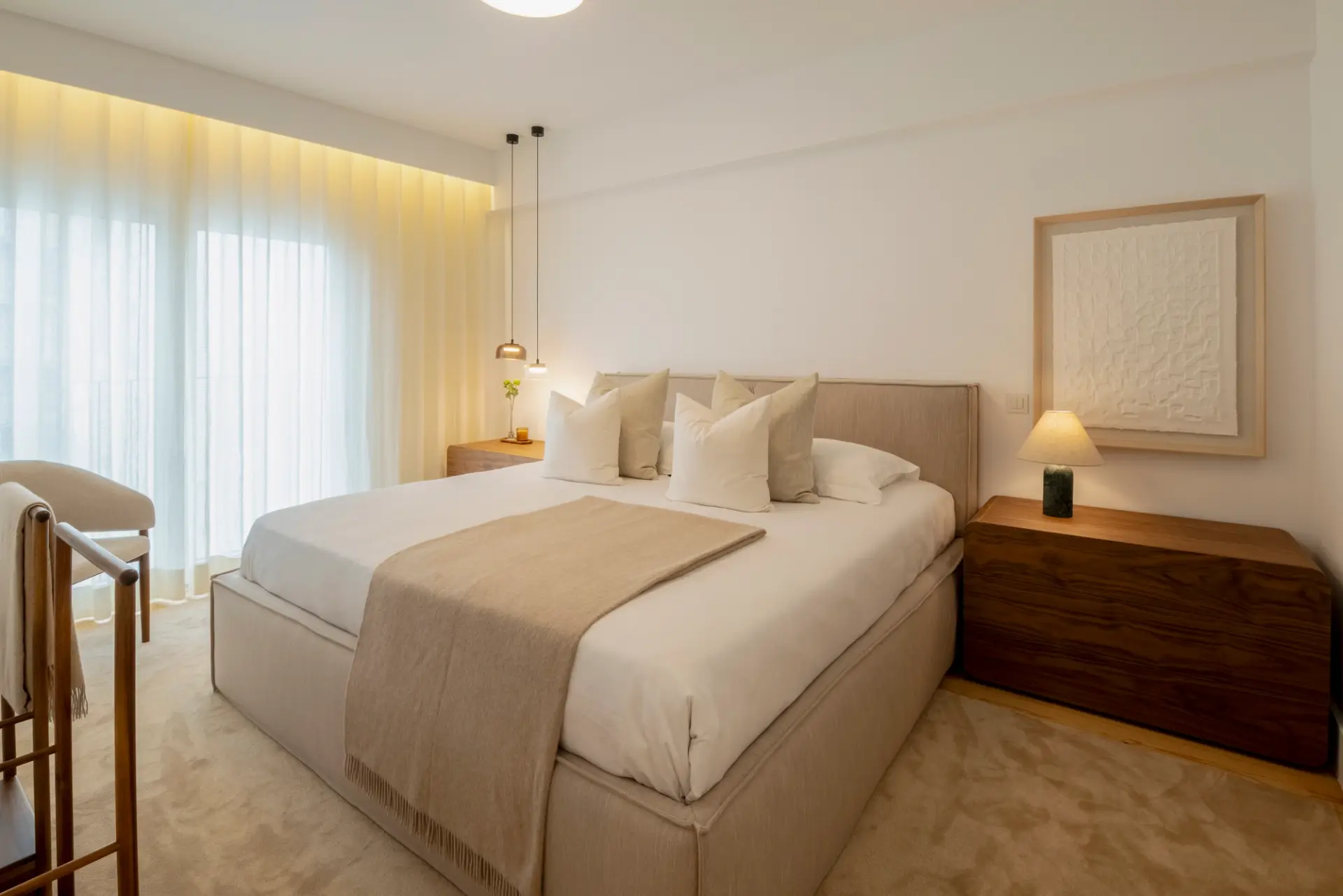
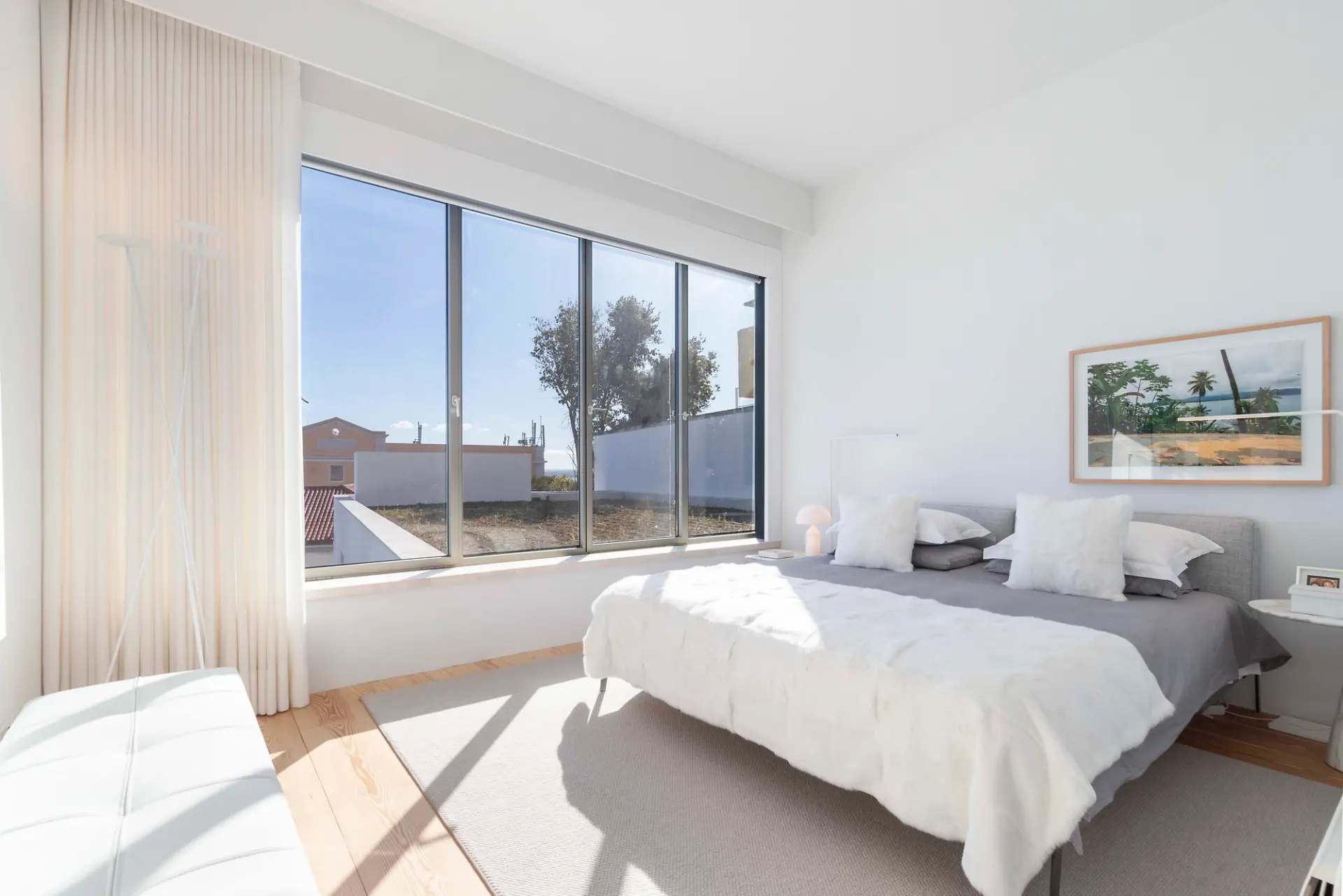
A bedroom by Atelier Renata Santos Machado, illustrating how coordinated lighting, materials, and furniture contribute to everyday comfort.
Can an Interior Designer Save You Money?
Part of the value is difficult to see in advance: the cost of mistakes a well-planned project helps you avoid.
Furniture bought separately that doesn’t work together. Materials ordered without checking dimensions, quantities, or compatibility. Decisions rushed during construction because a detail wasn’t planned. Changes that mean completed work has to be redone.
Each mistake may seem minor on its own. Together, they can put pressure on the budget. And the cost goes beyond money: delays, replacement orders, and more time spent solving problems.
A designer can help you decide where spending more makes sense and where a simpler solution will work just as well. That doesn’t mean the fee will always pay for itself through savings. It means your budget is allocated with a clearer understanding of the whole project.
Some of the return becomes visible in the things you didn’t have to buy twice, replace, or redo.
Does Interior Design Increase Home Value?
Design shapes how we experience a space. Whether we’re in a restaurant, a hotel, or our own home, we respond to interiors that feel welcoming, comfortable, and thoughtfully put together.
A cohesive, timeless interior can increase a property’s perceived value compared with an empty or poorly presented home. That can matter when selling or renting, helping the property stand out in the market.
Professional design can therefore contribute to a home’s appeal and potential value. However, it doesn’t guarantee a higher sale price or a specific financial return.
If you’re designing a home to live in, resale value is only one consideration. The choices also need to make sense for your daily life.
A Better Everyday Experience at Home
A thoughtfully designed home changes how you live in it every day: the light in the kitchen in the morning, the place where you sit to read, the storage that makes it easier to keep things in order.
A room can look beautiful and still be awkward to use. Furniture placement, lighting, circulation, and storage all influence whether the space works for the people living in it.
Interior design creates comfort and helps establish the atmosphere you want at home. It’s an investment you experience daily, not only when you have guests over or decide to sell.
When Hiring an Interior Designer May Not Be Worth It
Not every project needs full-service support. Minor cosmetic updates, very limited budgets, or situations where you have the time, knowledge, and interest to manage the process yourself may not justify a complete interior design project.
Replacing a few accessories is different from furnishing an entire home or coordinating a renovation. The level of professional support should reflect the complexity of the work.
In some cases, a consultation may be enough to resolve a specific question. Before committing, consider which decisions you need help with and how much coordination the project will require.
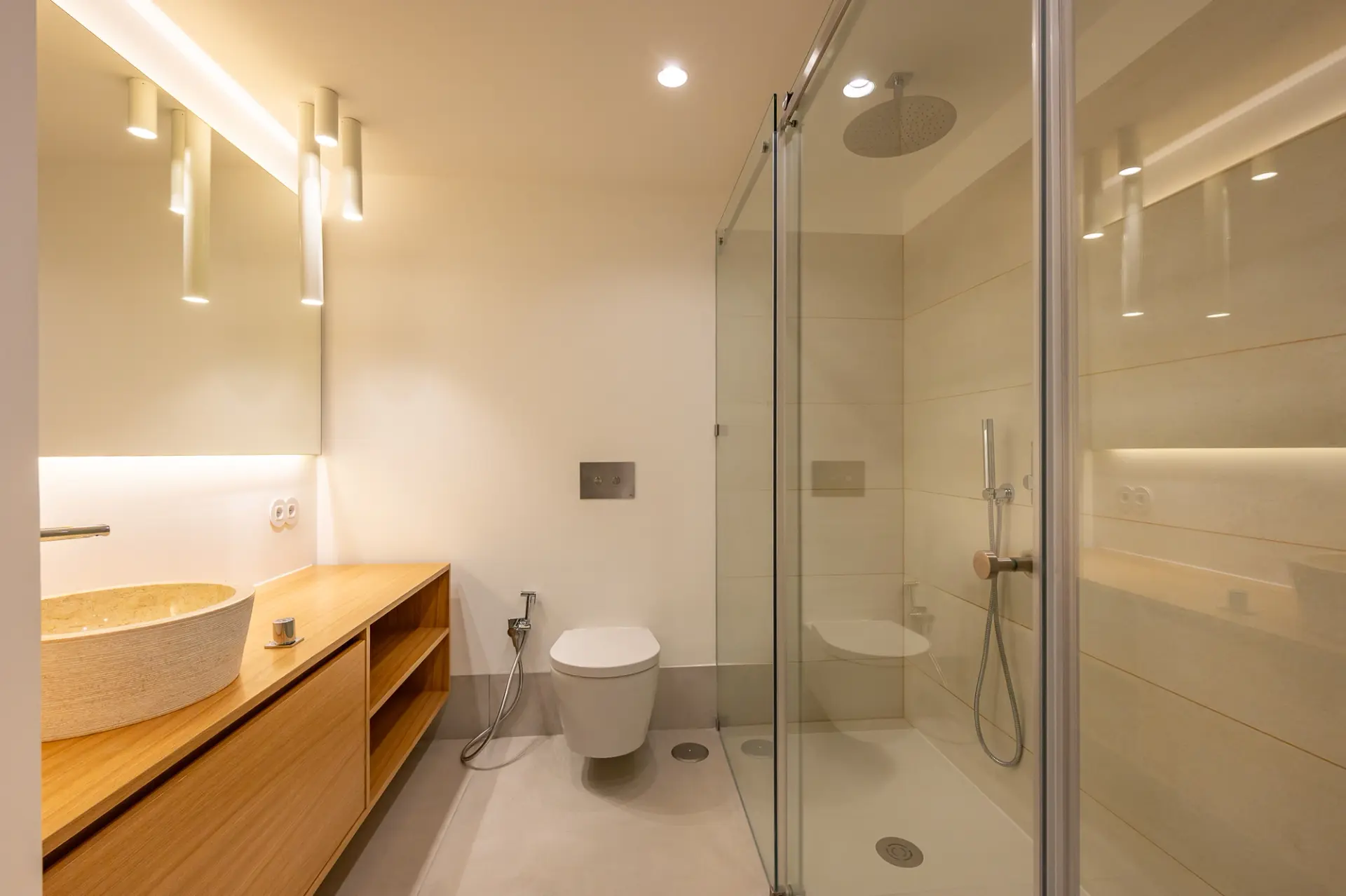
A bathroom by Atelier Renata Santos Machado in Lisbon, showing how storage, lighting, and layout come together. A reminder that the value of interior design extends beyond appearance...
How to Assess Your Interior Design Return on Investment
The return on an interior design project rarely appears all at once, and it isn’t always financial. It adds up over time: money you don’t spend correcting mistakes, the value your home may gain, and the relief of not having to manage hundreds of decisions on your own.
Alongside “How much does an interior design project cost?”, ask yourself: “What would doing this without professional support cost me in money, time, and stress?”
For a property owner living abroad, that calculation also includes the practical demands of managing work from a distance. If your home is in Portugal while you’re based in the United States or another country, coordinating local suppliers and installations can take time you hadn’t accounted for.
Making the Most of Your Investment with Atelier Renata Santos Machado
Based in Lisbon, Atelier Renata Santos Machado works with clients in Portugal and internationally. Each project starts with the budget you have available. Spending on furniture and materials may vary, while the care that goes into planning and managing the project remains consistent.
With more than 24 years of experience, the Atelier researches options, compares solutions, and presents those that make sense for your home and your budget. You approve the choices. The team handles the work needed to put them into practice.
Part of the value lies in reaching a cohesive result without spending where it adds little benefit or leaving you to manage every detail yourself.
If you’re considering investing in a home in Portugal, an initial conversation can help you understand whether this level of support makes sense for your project.
Frequently Asked Questions About Hiring an Interior Designer
Is an interior designer worth it for every project?
Not necessarily. Professional support can be particularly valuable for renovations or furnishing an entire home. For a small update, a consultation or managing the work yourself may be enough.
Can an interior designer save you money?
A designer can help prevent expensive mistakes, such as incompatible purchases, incorrect measurements, or rushed construction decisions. Savings depend on the project and don’t necessarily offset the entire design fee.
Does interior design increase home value?
A cohesive, well-executed interior can improve a home’s appeal and perceived value when selling or renting. It doesn’t guarantee a specific increase in market value.
How do you assess the return on an interior design project?
Consider avoidable costs, any potential increase in property value, and the time you save through professional coordination. Everyday comfort and functionality are also part of the return.
Can I work with Atelier Renata Santos Machado while living in the United States or another country?
Yes. The Atelier works with international clients and can coordinate interior design and renovation projects in Portugal while you’re based abroad. You remain involved in the decisions and approvals that shape your home.