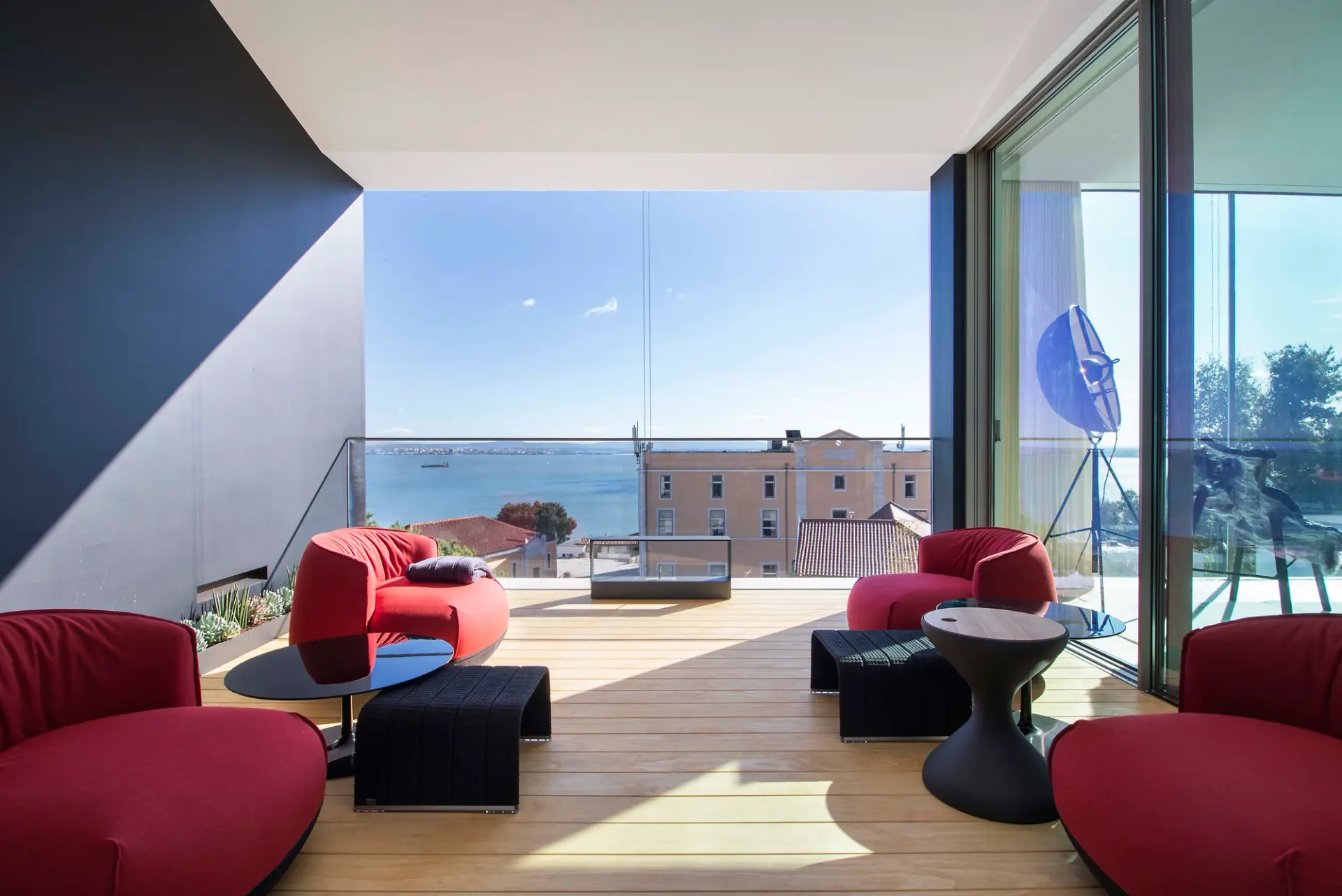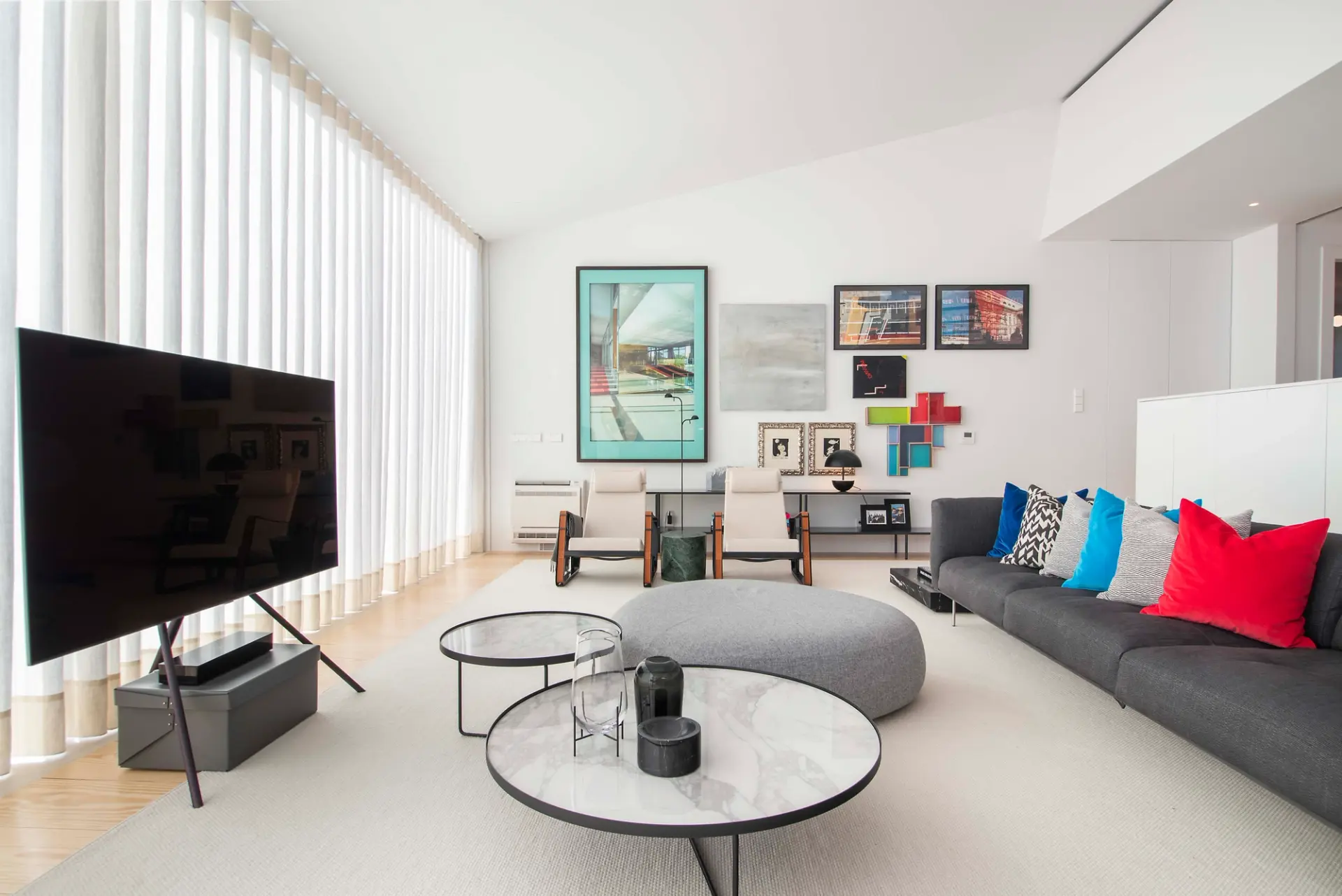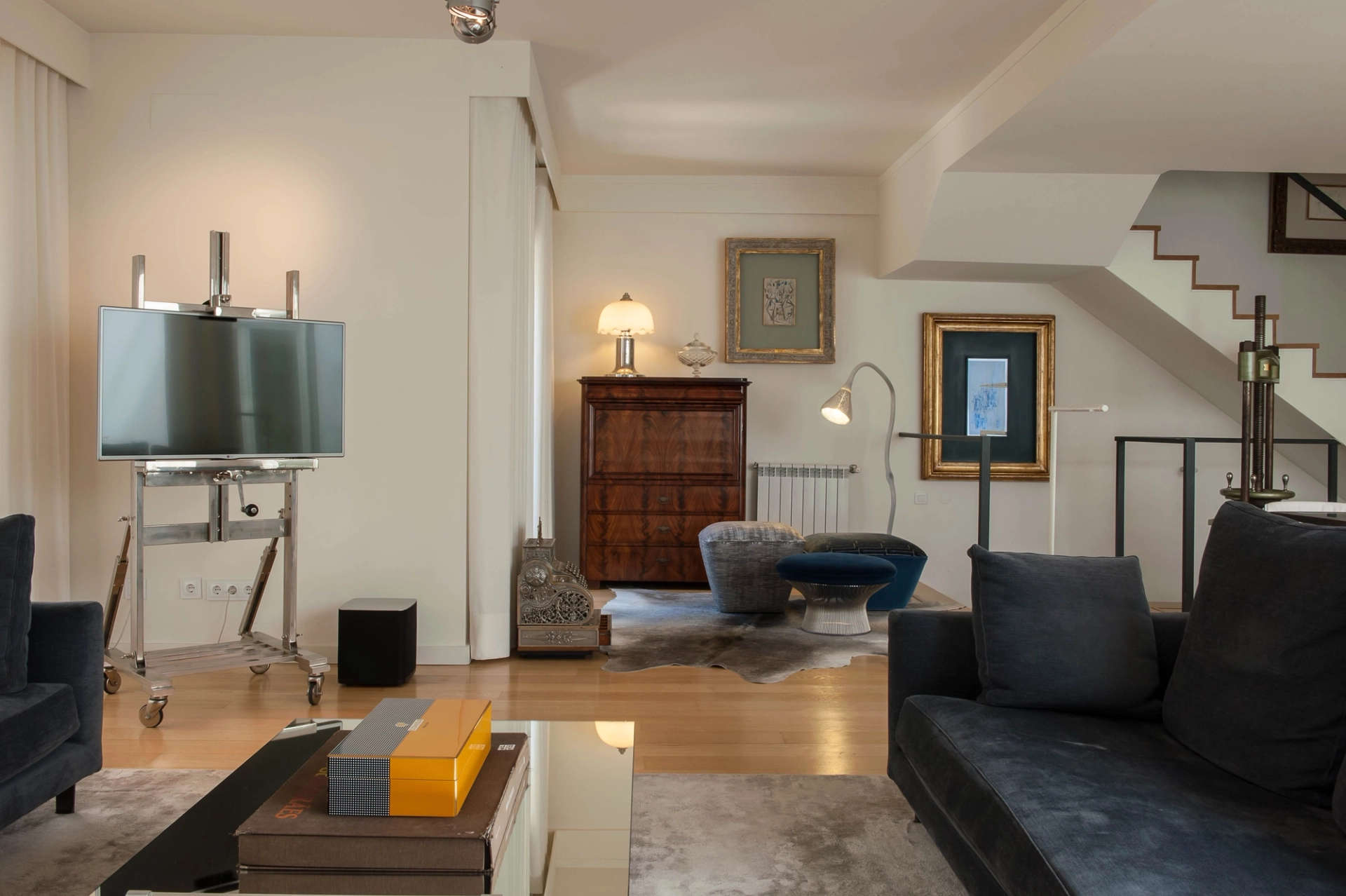
Your messages go unanswered for days. The latest changes you requested still aren’t reflected in the updated budget. You start wondering whether this is normal or whether you should have paused to reassess.
It isn’t always easy to tell the difference between a one-time setback in an interior design project and a sign that something isn’t working.
The signs of a good interior designer go beyond the finished space. Clear communication, respect for your budget, transparency, and the way they handle unexpected issues throughout the project matter, too.
In this article, we explain how to tell whether your project is being managed well and when it may make sense to consider switching interior design firms.
Clear and Regular Communication
A well-managed interior design project shouldn’t leave you constantly asking, “How is everything coming along?” Updates should reach you before you have to ask.
Knowing who your main point of contact is, receiving clear answers within a reasonable timeframe, and getting regular progress updates are all part of what to expect from an interior designer.
An interior design project involves decisions, orders, deliveries, and teams that need to be coordinated. A good interior designer keeps you informed about what’s happening, what’s pending, and what comes next.
If you repeatedly have to follow up to get an answer, or receive conflicting information depending on whom you speak with, that’s a warning sign worth addressing.

A good interior designer connects every choice, from seating to layout, to your design brief and the way you use your home.
Respect for Your Design Brief and Budget
Your initial design brief should guide the decisions that follow. One of the qualities of a good interior designer is the ability to refer back to that brief whenever a choice needs to be made and explain how each recommendation meets the goals agreed on at the start.
The same applies to your budget. Changes that affect costs should be communicated and approved before any commitments are made. You shouldn’t find out about them after the decisions are final. If the total increases without your approval, something has gone wrong in the process.
The Ability to Solve Problems
No renovation or interior design project is free of unexpected issues. We’ve seen clients lose weeks because a vendor stopped responding or an item arrived damaged and no one could say when a replacement would arrive. Good project management won’t prevent every setback. Unexpected issues happen. What makes a good interior designer is how they handle them.
A designer who simply reports a problem without offering an alternative is handing work back to you that they should be handling. Good project management means bringing you a concrete solution or options you can choose from.
If every unexpected issue becomes a decision you have to figure out entirely on your own, you’re not getting the support you should expect.
Transparency Throughout the Process
One of the signs of a good interior designer is a transparent process: you should know where the project stands, how much has been spent, and which decisions still need to be made. This means finalizing and approving budgets before any purchases or orders are placed, and communicating any budget deviations promptly, with practical alternatives.
Don’t hesitate to ask: Who is coordinating the vendors? Has the budget for this phase been finalized? What happens if an unexpected issue comes up? The answers reveal a lot about how your project is being managed.
Interior Designer Red Flags
None of these signs, on its own, necessarily means something is wrong. But several occurring together deserve attention:
- Responses that take days or don’t directly answer your question
- Deadlines described as “soon,” without a specific date
- Budget changes disclosed only after costs have been incurred
- An inability to explain why a particular solution was chosen
- A lack of clarity about who is coordinating vendors and contractors
- Unexpected issues brought to you without a proposed solution
Be wary of anyone who promises to complete everything in a month. Realistic timelines are backed by a project schedule and not vague assurances that “it’s almost done.”
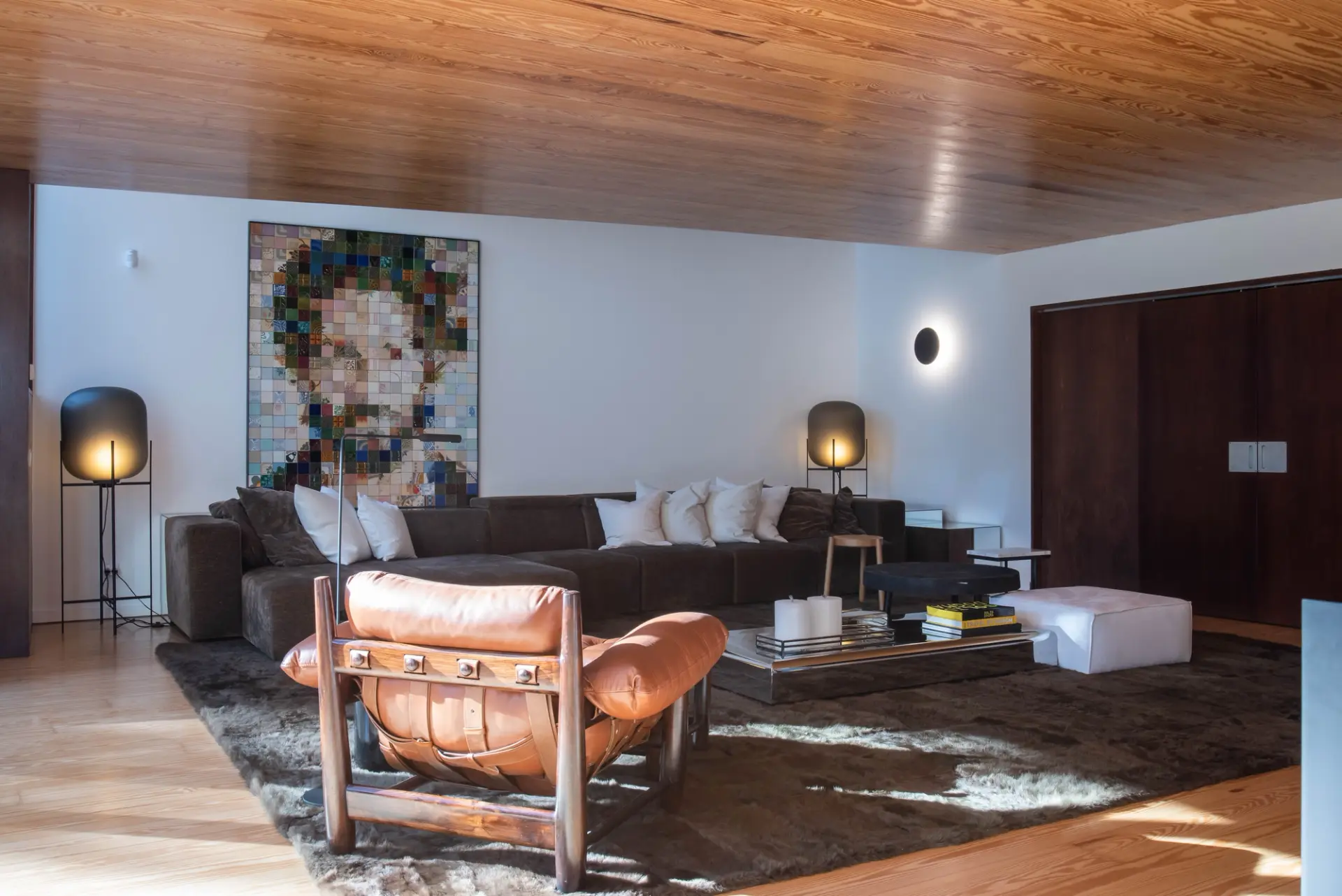
A well-managed interior design project turns your brief into a finished space, with decisions explained and costs approved along the way.
When to Change Interior Designers
Switching interior designers mid-project comes at a cost. It takes time, disrupts continuity, and may involve additional expenses. That’s why a single incident shouldn’t be the basis for this decision.
But when poor communication, a lack of transparency, or a failure to take responsibility persists across several phases and doesn’t improve after you’ve raised your concerns staying can also come at a cost. In those situations, pausing to reassess the project may be the best way to protect your investment before moving forward.
What to Expect from Atelier Renata Santos Machado
At Atelier Renata Santos Machado, you have one dedicated point of contact from the initial design brief through project completion. Budgets are finalized and approved before any purchases or orders are placed, and any deviations are communicated before proceeding.
With more than 24 years of experience in residential projects, the Atelier also handles unexpected issues with vendors, deliveries, and installations, taking responsibility for managing each stage. Your designer provides guidance. You make the decisions.
Whether you’re assessing how your current project is progressing or preparing to start a new one, talk to us before taking the next step.
Frequently Asked Questions about Working With a Good Interior Designer
How can I tell if my interior designer is doing a good job?
Look for clear communication, respect for your design brief and budget, and a proactive approach to unexpected issues. These are signs of a good interior designer: someone who brings you solutions,
Is it normal for my interior designer not to respond immediately?
Yes, provided they respond within a reasonable timeframe. An occasional delay isn’t the issue. Repeatedly unanswered messages or uncertainty about who is responsible for your project deserve attention.
What should I do if my project budget keeps increasing without explanation?
Ask for each budget change to be explained and approved before any further commitments are made. Frequent changes without an explanation or your approval may indicate that project costs aren’t being properly managed.
Is it worth switching interior designers mid-project?
It may make sense when problems keep recurring and don’t improve after you’ve raised your concerns. A single incident, on its own, isn’t enough to justify switching interior designers.
What questions should I ask to find out whether my project is on track?
Ask who is coordinating the vendors, whether the budget for the current phase has been finalized, and how unexpected issues will be handled. The answers will help you assess how your project is being managed.