There's an idea that causes a lot of confusion: thinking that an architect and an interior designer do essentially the same job.
It's easy to see why. Both work on the same space and make decisions that shape the final result. And often, they're involved in the same project.
But they don't do the same job. The architect is concerned with the building. The interior designer is concerned with how that building will be lived in.
In practice, the real difference lies in each professional's responsibilities. That's what answers questions like:
- Who decides whether a wall can be removed?
- Who designs the kitchen layout?
- Who chooses the materials?
- Who makes sure the home works well day to day?
What an Architect Does
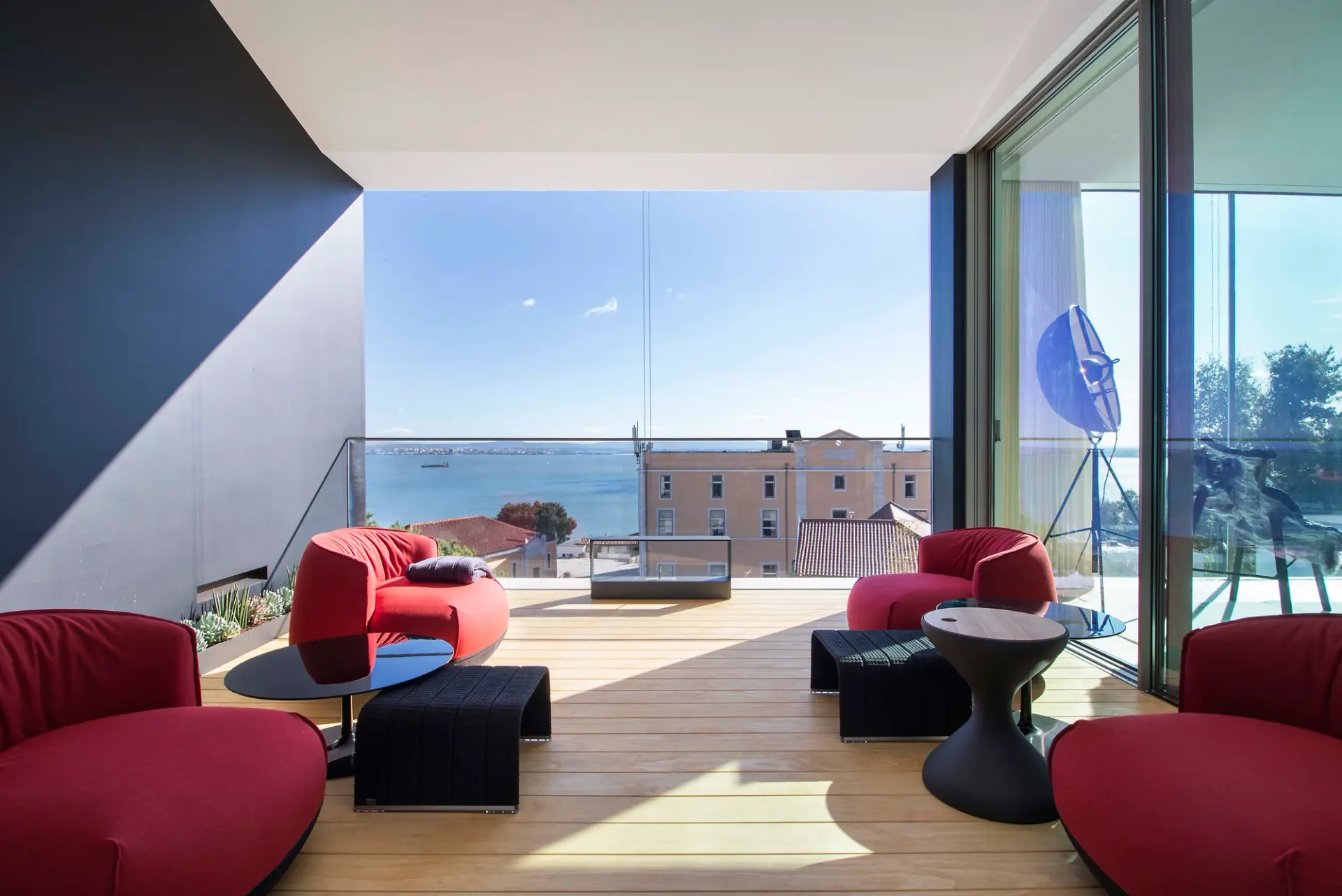
The architect is responsible for the building itself: the structure, the exterior envelope, and compliance with local planning regulations. Whenever a project changes load-bearing walls, the façade, the built area, or requires submitting plans to the local council, it's the architect who signs off on that project and is technically and legally accountable for it.
The architect works alongside engineers whenever structural calculations are involved, and is responsible for ensuring the home can be built and/or altered safely, legally, and in a technically sound way.
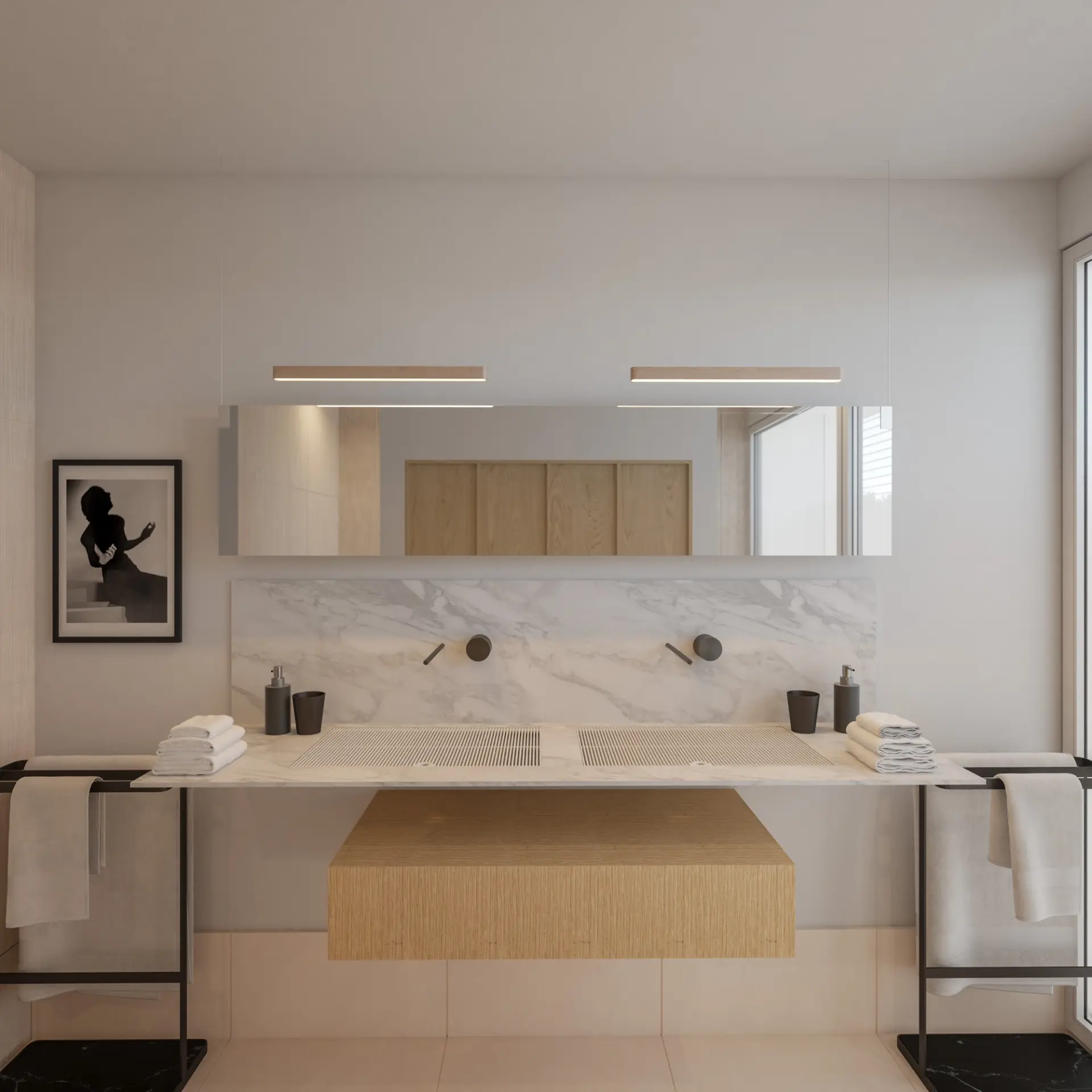
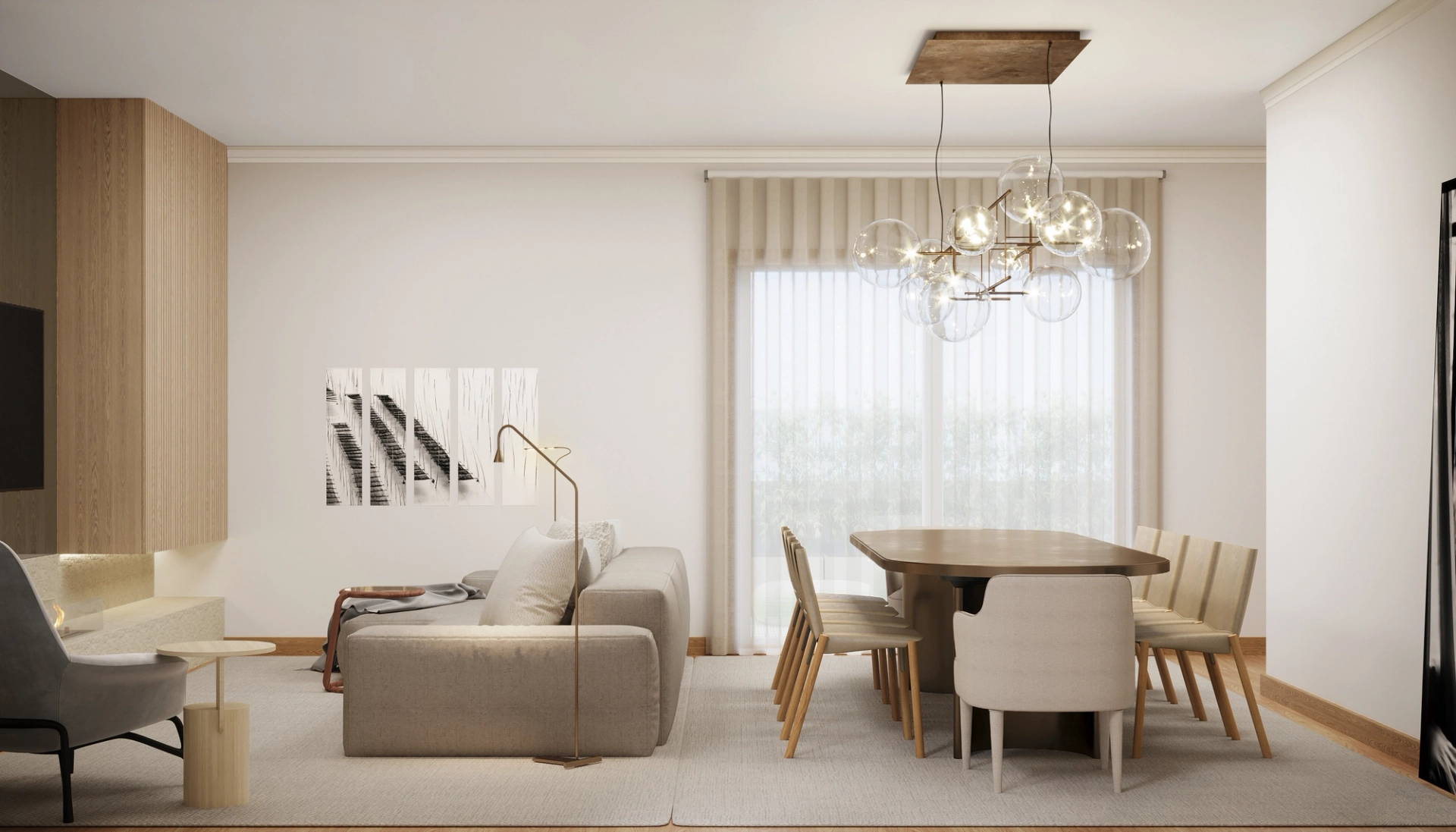
Materials, lighting, storage and everyday functionality are all considered as part of a complete interior design project.
What an Interior Designer Does
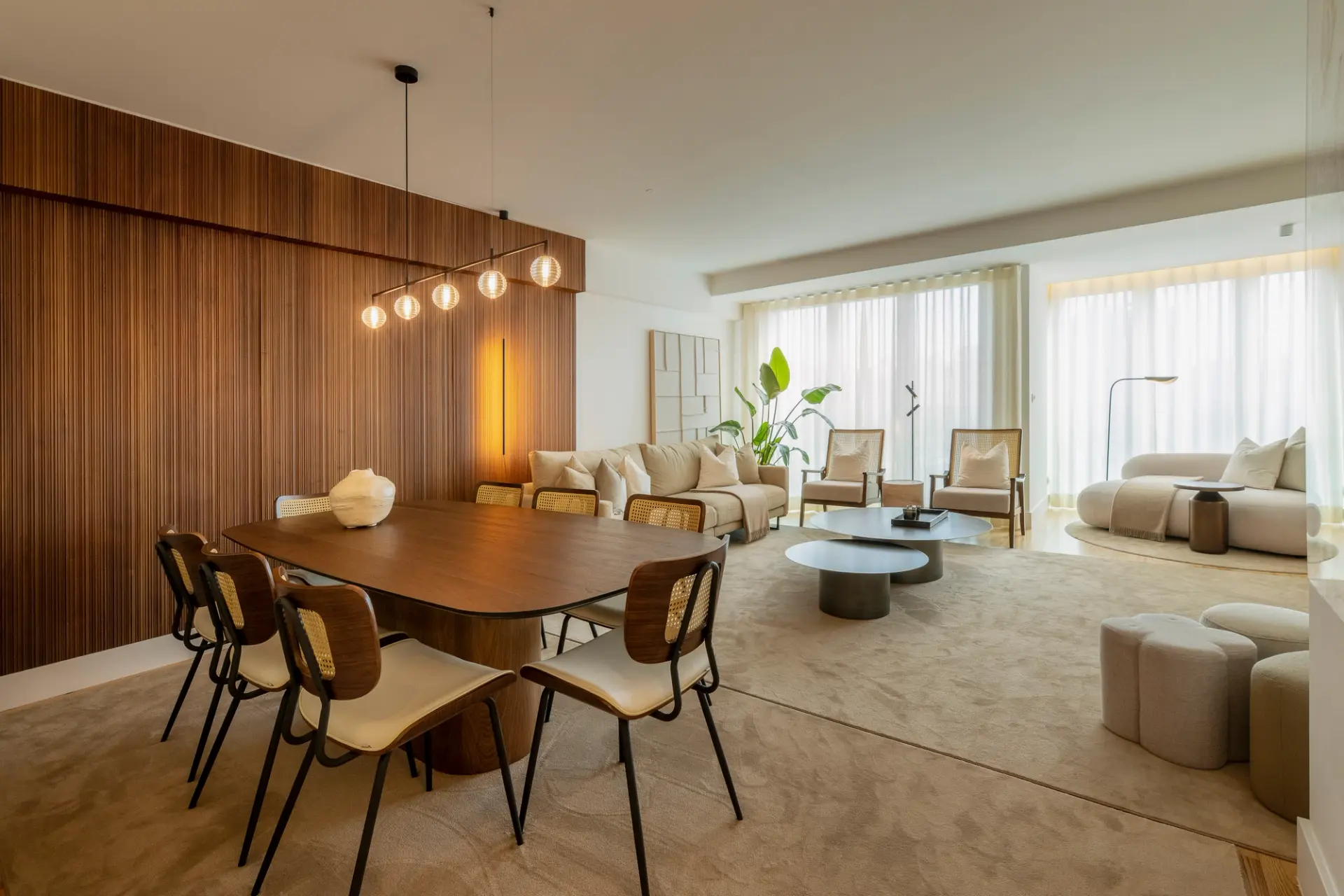
The interior designer works the space from the inside out. They define circulation, how rooms are organised, storage, lighting, materials, furniture, and how each area will be used day to day.
This covers what we've called, interior design and decoration - layout, lighting, materials and furniture - without involving changes to the building's structure or submissions to the local council.
You'll also see this professional referred to as a residential interior architect in some markets — a term often used, outside the US, for someone who integrates both the spatial and decorative layers of a home into a single, coherent process, closer to what a full interior design project actually involves.
The goal iss to make sure the home works well day to day and meets the needs of the people who live there.
When You Need Both an Architect and an Interior Designer
Whenever a project involves structural changes — removing a load-bearing wall, increasing the built area, or altering the façade — an architect is required. Any intervention that requires council licensing must be accompanied by an architectural project.
The interior designer can work alongside the architect or come in at a later stage, depending on the project. They're the one who defines how the spaces are organised, the materials, the lighting, the furniture, and how the home will be lived in. The two roles complement each other and work best when involved together from the start.
This is exactly where many people get it wrong. They think they have to choose between an architect and an interior designer. In more complete projects, what matters is understanding when each professional should step in, so the project moves forward in a coordinated way.

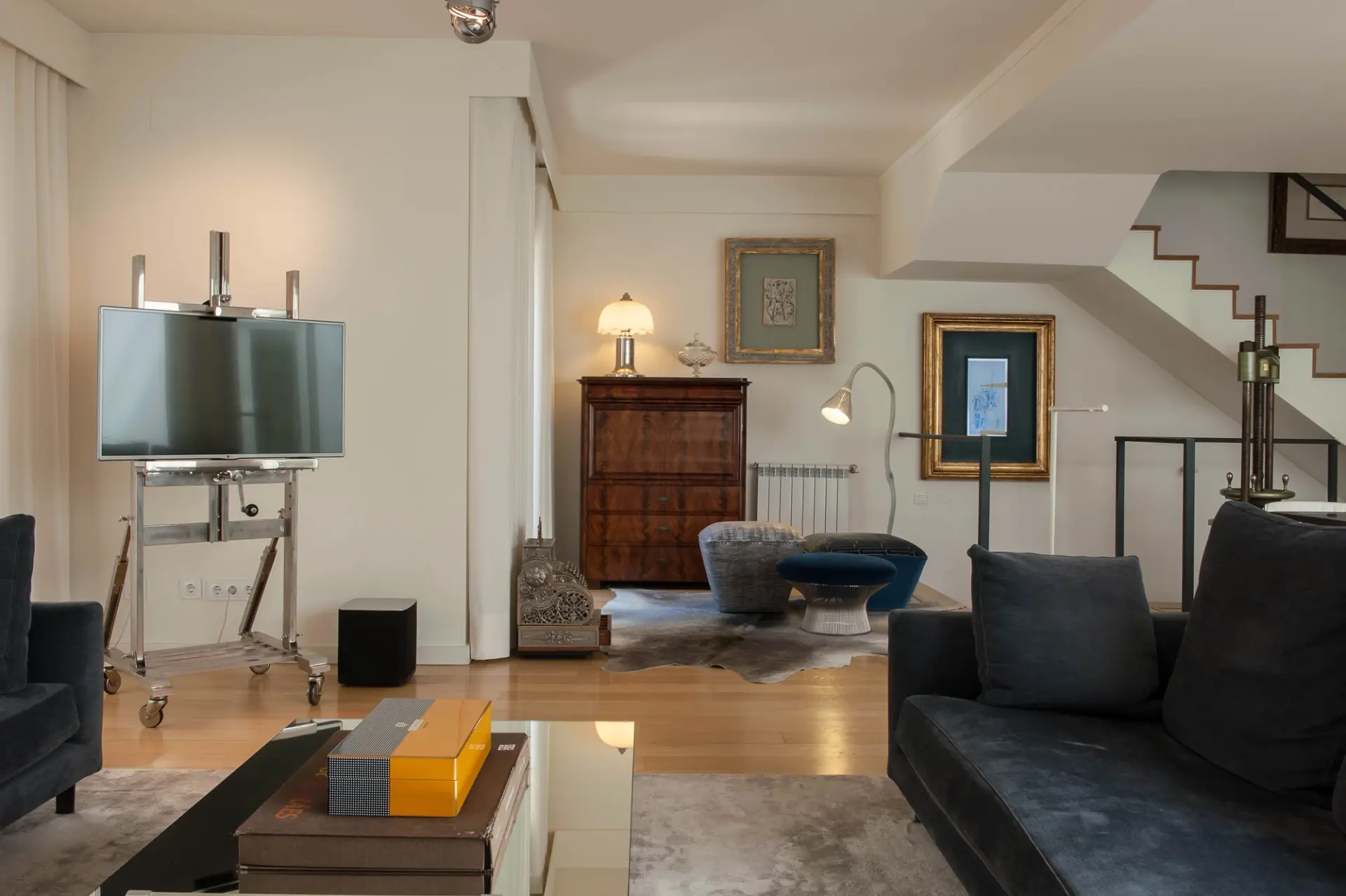
Interior design goes beyond the building itself, bringing together furniture, lighting, materials and decorative details to define how a space looks and feels.
Practical Cases: When to Hire an Architect or an Interior Designer
I Want to Renovate Without Changing the Structure
If you want to reorganise the spaces, improve the lighting, update materials, or make the home more functional, an interior designer is usually enough. The project is developed on top of the existing structure, with no need for licensing.
→ Interior designer
I Want to Remove Walls or Make Structural Changes
If the project involves structural changes, extensions, or anything subject to council licensing, an architect is essential. The interior designer should work alongside them to make sure those changes meet the needs of the people who will live there.
→ Architect + interior designer
I Want to Build a House From Scratch
The architect develops the architectural project and handles all the technical and legal matters. The interior designer should be involved from the earliest stages, so that the layout, lighting, materials and furniture are considered together with the architecture.
→ Architect and interior designer, from the start whenever possible
I Bought a House and Want to Adapt It to My Family
Many homes need small changes to fit the needs of the people who will live there. Depending on the scope, this can mean involving an architect for structural changes and an interior designer to plan the layout, materials, lighting and the project as a whole.
→ In most cases: architect + interior designer
I Just Want to Update Materials and Furniture
If the home's structure already works well and the goal is to update materials, lighting, furniture and decoration, an interior design project can transform the space without any structural work.
→ Interior designer
How to Know Which Professional You Need
Knowing the difference between an architect and an interior designer lets you start a project with more confidence, and avoid the wrong decisions right from the beginning.
In many cases, it isn't a matter of choosing one or the other. The most complete projects benefit from both working together, each with clearly defined responsibilities.
At Atelier Renata Santos Machado, we regularly work alongside architects to make sure technical decisions and design decisions evolve together from day one. If you're still unsure which approach is right for your project, an initial conversation helps clarify which professionals make sense to involve, and at what stage.
Frequently Asked Questions — Architect or Interior Designer
Can I renovate without an architect?
It depends on the type of project. If the work doesn't involve structural changes or require council licensing, an interior design project may be enough. If it involves load-bearing walls, façade changes, or anything else subject to licensing, an architect is mandatory.
Does an interior designer replace an architect?
No. They're professionals with different skills and responsibilities. The architect is accountable for the architectural project and the building's technical and legal matters. The interior designer works on how the spaces are organised, the materials, the lighting, the furniture, and how the home will be lived in.
Who should I hire first: an architect or an interior designer?
It depends on the project. If structural changes or licensing are needed, the architect is essential. Whenever possible, it also makes sense to involve the interior designer from the early stages, so the architecture and how the home will be used are considered together.
How can I tell if a wall is load-bearing?
You can't confirm that just by looking at a wall. Before removing or altering any element of the home, you should get a professional assessment. A decision made without that validation can compromise the building's safety and lead to costly corrections.
Is it worth hiring an interior designer if I already have an architect?
Yes, because the two professionals play different roles. While the architect ensures the building is technically sound and meets legal requirements, the interior designer makes sure the spaces meet the needs of the people using them. In more complete projects, working together leads to a more coherent result and avoids decisions that are hard to correct later.
What's the difference between an interior architect and an interior designer?
In practice, very little — "interior architect" is a term some markets use, more often outside the US, for the same kind of integrated, full-service work: combining spatial and structural decisions with the decorative layer, in a single coherent project. It shouldn't be confused with an architect responsible for the building itself.